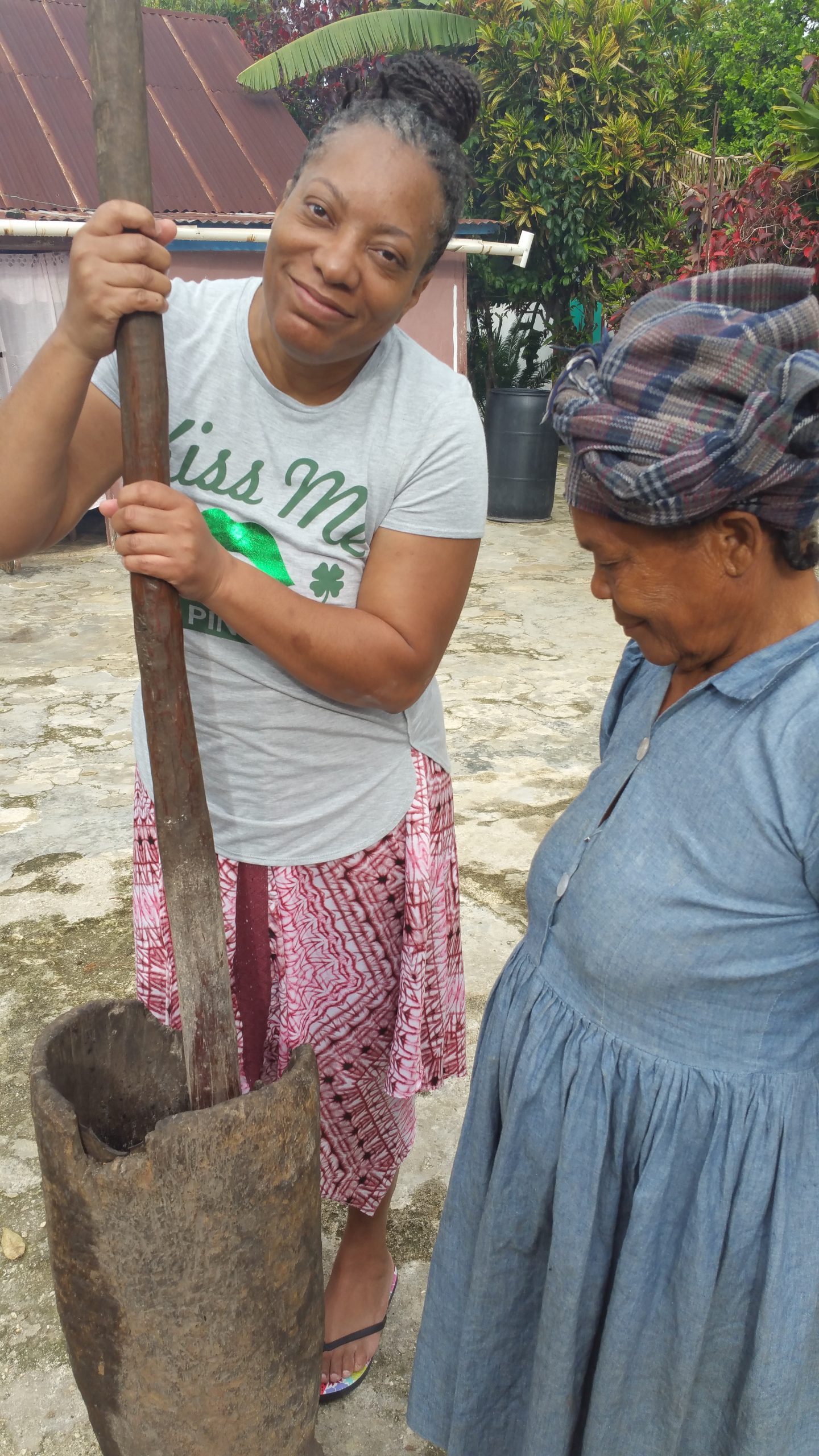
Resilance and Healing: Tanya’s Incredible Life Story
Let me take you on a journey through the life of Tanya, a woman whose story is as complex and vibrant as the city that raised her. Born and bred in the concrete jungle of New York City, Tanya’s life is a testament to the resilience of the human spirit and the power of determination.
Imagine a young girl growing up in the bustling streets of New York, trying to make sense of a world that often seemed chaotic and unfair. Tanya learned early on that life doesn’t come with an instruction manual. As she puts it, “When you’re born, there’s no set of instructions that tell you how to navigate and troubleshoot life’s issues, how to deal with complex family dynamics, or how to excel in a world dominated by a select few. When you don’t know the rules of the game, you’re at a disadvantage from the start.”
As Tanya navigated her path in life, she became acutely aware of the systemic challenges she faced being “black” in America with the added weight of being a woman. The intersection of her race and gender often meant confronting barriers that others might not even see. “It’s like running a race where some people get a head start, and you’re starting from behind,” Tanya explains, her voice tinged with both frustration and resolve.
Despite the frustrations, her experiences have cultivated a profound empathy for others facing their own struggles. “I am not alone. My challenges have opened my eyes to the suffering of millions around the world,” Tanya acknowledges. “While my trials are significant, I’ve come to realize through my various roles and encounters that I’m also blessed in many ways. I think to myself — “just when you think you have it bad, someone else has it worse.”
She doesn’t shy away from acknowledging the hard truths. “Look, the statistics don’t lie. The number of people who truly thrive in this world are already small, and for Black women or even men that number shrinks even more!” But there’s no trace of self-pity in her words. Instead, you hear the courage of someone who’s faced these odds head-on.
Tanya is quick to point out that her experience doesn’t negate or diminish the struggles of others. “I can’t pretend to know what it’s like to walk in another woman’s shoes and I certainly don’t know what it’s like to be a man,” she says thoughtfully. “A chinese woman, a white woman, an indian woman – they’ve got their own mountains to climb. I’m just focused on the mountain in front of me.”
This perspective isn’t about creating divisions or playing the “who has it worse” game. It’s about recognizing the unique texture of each person’s experience. “We’re all fighting our own battles,” Tanya reflects. “Mine happens to be as a Black woman in America. That’s the lens I see through, and it’s the only one I can truly speak to.”
Growing up, Tanya’s home life was far from simple. The complexity of her family dynamics often left her young mind bewildered. This lack of understanding led her down a path that many might find shocking – she became an emancipated minor at the age of 16 while living with her father. An emancipated minor is a legal status that gives a child some adult rights before they turn 18. For Tanya, this meant that legally she was her own guardian with the responsibility of supporting herself financially, a daunting task for anyone, let alone a teenager.
But here’s where Tanya’s story takes an inspiring turn. Instead of letting this situation derail her life, she seized the opportunity and took full advantage of the programs and services offered by New York City. She proved that with the right support and grit, one can overcome seemingly insurmountable odds.
Now picture this: a young 18-year-old Tanya, a new mother, walking across the stage to receive her high school diploma in 1985. Not only did she graduate on time, but she went on to complete trade school, graduating from the American Business Institute for Computer Science and Secretarial Studies. By 19, she had landed her first full-time job at MCS Canon. Talk about defying expectations!
But life had more challenges in store for Tanya. The 1980s brought a darkness to her neighborhood that would leave lasting scars. The crack epidemic hit New York City “like a ton of bricks,” transforming familiar faces into desperate “junkie” strangers. Tanya vividly remembers the fear that permeated the air during those years. “People were robbing one another (family members robbing other family members) – selling their possessions,” she recalls. The first-hand stories were heart-wrenching, like parents selling access to their babies (young children) for sex just to get their next hit. It was a confusing and scary time.
And to make matters worse, the HIV/AIDS crisis that hit New York City around the same time had a devastating and lasting effect on the community at large. Sadly, this “hit home” as Tanya lost her favorite uncle to HIV/AIDS contracted from heroin needles. It was a time that tested not just Tanya’s resolve, but the very fabric of her community. She says, “It’s easy to blame the people who fall victim to these consequences, but we must not forget the root cause of these problems stemming from a ‘system’ waging pyschological and chemical warfare against a people. We must remember who the real enemy is and it is not just everyday people but puppet masters orchestrating a destructive narrative for us — the masses.”
This period also brought personal heartbreak for Tanya. The father of her child, once a college graduate and promising accountant, fell victim to the allure of cocaine and eventually crack. She recalls, “We were truly best friends. Wherever you saw one of us, the other was always close by. We were basically inseperable.” However, Tanya watched helplessly as her partner transformed before her eyes, his personality changing, his behavior turning abusive. With a heavy heart, Tanya made the difficult decision to leave him and the neighborhood for the sake of herself and their child. About a year after she left, her ex-partner’s addiction led him in and out of jail, where he spent most of their daughter’s childhood and teenage years.
Tanya’s experiences during this time left an indelible mark on her. She saw firsthand how drugs could devastate lives and tear apart families. This understanding fuels her concern about the prevalence of both legal and illegal drugs in our environments today. “We live in a heavily medicated society, and this is one of the biggest contributors to mental health issues,” she firmly believes. In addition, this highlights the importance of the need to address the impact of the multitude of addictions on families and communities. Shining a light on this topic has fueled her passion for promoting mental health awareness in minority communities and sparked her journey in transforming personal trauma into social advocacy.
Tanya’s childhood was shaped by a culture where children were expected to be silent observers rather than active participants in family matters. The older generation, steeped in tradition and privacy, often kept their struggles and secrets closely guarded. “Back then, people didn’t air their dirty laundry,” Tanya reflects. “There was this unspoken rule that you dealt with your problems privately, no matter how heavy they were.” This era valued fortitude and resilience, sometimes to a fault. People prided themselves on their ability to weather life’s storms without complaint. “My grandma used to say, “What doesn’t kill ya makes ya stronger,” Tanya recalls with a mix of admiration and concern.
She continues, “And while there’s truth to that, it also meant a lot of pain went unaddressed. People inwardly suffer about all kinds of things, like low esteem and poverty to incent, molestation, and rape. Because of this, my grandmother and my grandaunt used to drill in my head to not leave my daughter with anyone if I could help it. I was so fearful and I knew that I would never forgive myself if anything ever happened to my daughter all because I wanted to go party or do something that wasn’t necessary. Unfortunately, people had to leave their kids unattended for different reasons. My grandaunt especially would tell me about a neighbor and family friend who was always after her and her sisters. So I know people hold secrets and are in silent pain about a lot of different things. This includes boys and young men who were/are also sexually exploited victims by either men and/or women, too!”
Tanya sees a connection between this suppressed emotional expression and today’s mental health issues. “On one hand, those generations had incredible endurance,” she muses. “But on the other, all that bottled-up emotion had to go somewhere. I think we’re seeing some of the fallout now, generations later.” She believes this legacy of silence has contributed to the current mental health crisis in complex ways. “We’ve swung from one extreme to another,” Tanya observes. “From not talking about our feelings at all to perhaps oversharing without the tools to process effectively. Finding a balance is key.”
This perspective has deeply formed Tanya’s approach to mental health advocacy, emphasizing the importance of open communication while also teaching healthy coping mechanisms. “It’s about learning from the past,” she says, “taking the strength and resilience of previous generations, but coupling it with emotional intelligence and the willingness to seek help when needed in today’s time.”
Tanya’s life story is a tapestry woven with threads of resilience, cultural diversity, and unwavering commitment to healing and community. After leaving New York, she found a new home in New Jersey, where she’s built a life over the past three decades. Eight years ago, her path intersected with that of a Haitian immigrant, and they married, creating a union that bridged cultures and shared experiences of historical trauma. “Our relationship is like a microcosm of the world I want to see,” Tanya reflects. “Two different backgrounds coming together, finding common ground, and creating something beautiful. Immersing myself in Haitian culture has taught me even more about the importance of family, unity, and resilience.”
Life, however, continued to test Tanya’s strength. The violent loss of her brothers cast long shadows. Tanya’s older brother Michael disappeared in 1978 with four other boys known as the Clinton Avenue Five. The case remained an unsolved mystery for over 30 years, leaving the family in a state of painful limbo until March 22, 2010 when two men were arrested for murder and arson leading to a conviction in 2011. And in January 1990, Tanya’s younger brother, William, was killed which brought fresh anguish, made more poignant by the knowledge that he would never meet his unborn child who is now 34 years old.
Her belief that “hurt people hurt people” fuels her dedication to healing on both individual and societal levels. “The violence we see in the world… it’s a symptom of deep, unresolved pain,” Tanya explains. “That’s why finding paths to healing is so crucial. And sometimes, that healing comes from unexpected places – like spirituality or alternative modalities that conventional approaches might overlook. We definitely need holistic approaches to healing generational trauma.”
These personal tragedies, compounded by the loss of a godparent to diabetic complications and an uncle to HIV/AIDS, deepened Tanya’s understanding of healthcare’s complexities and the vital importance of holistic wellness. Yet, in the face of overwhelming grief, she found an unexpected wellspring of purpose. “Pain can either break you or make you,” she says. “I chose to let it make me into someone who could make a difference. I’m an optimistist and no matter the situation, perception and mindset are everything. You can either view a circumstance as an unsolveable problem and giveup or press forward to see the problem as a challenge that can be conquered. This is the meaning of, where there is will – there is a way!”
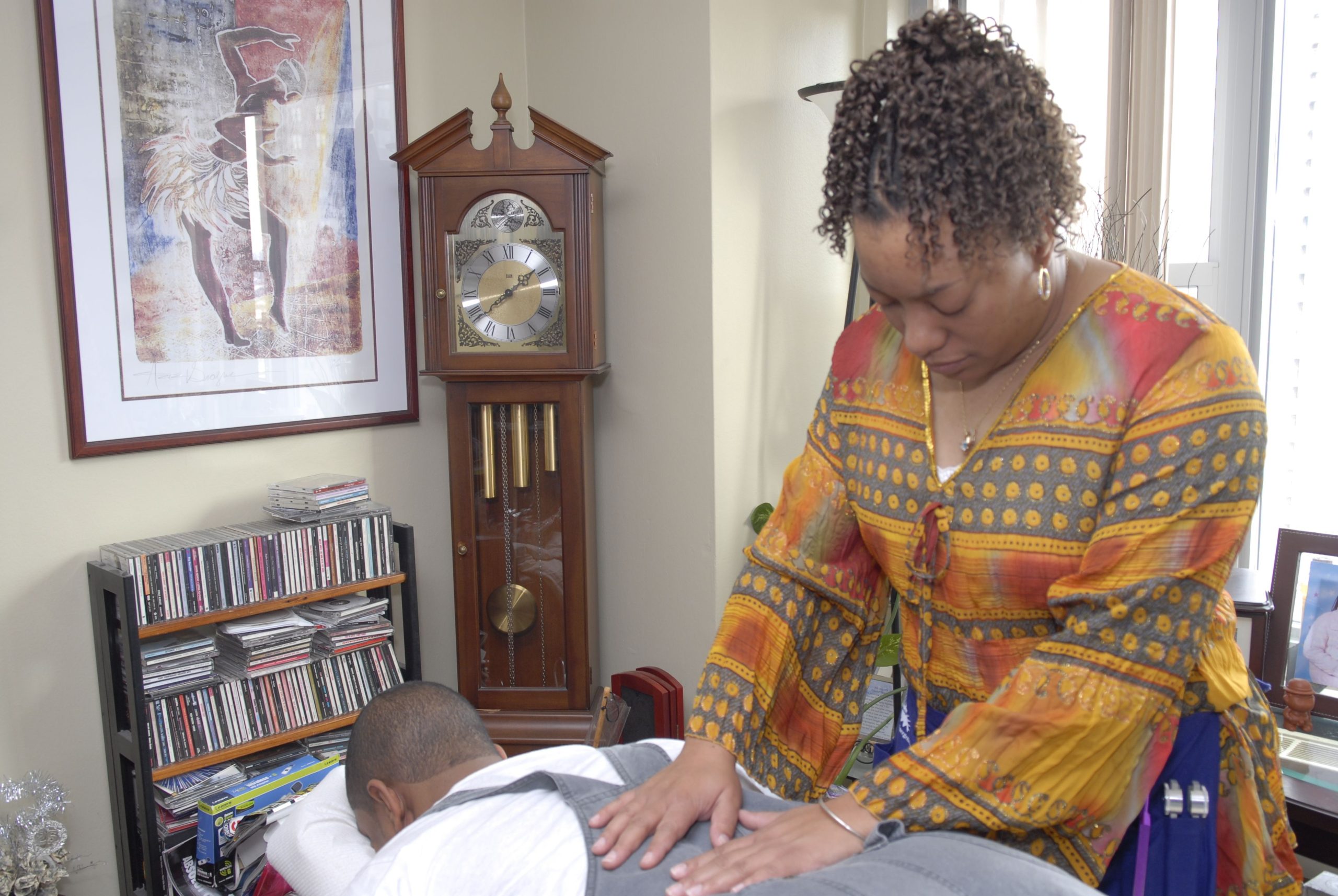
Tanya’s professional journey reflects her multifaceted approach to healing and advocacy. For 14 years, she worked as a massage therapist, gaining profound insights into the mind-body connection. Her administrative roles honed organizational skills that now amplify her community work. Her extensive experience with individuals with disabilities has sharpened her focus on accessibility and equal rights. “Everyone deserves dignity and the opportunity to thrive,” Tanya asserts. “Sometimes, that means rethinking how we structure our world.”
In the healing journey of friends and family, Tanya discovered an unexpected ally: animals. This revelation led her to champion animal-assisted therapy in community healing. “There’s something almost magical about the unconditional love of an animal,” she says. “It can reach parts of us that sometimes people can’t.”
Through each chapter of her life – each triumph and tragedy – Tanya has emerged not just resilient, but more determined to create positive change. Her story is a testament to the power of transforming personal pain into a force for collective healing and social progress. Tanya’s holistic approach to well-being extends to her advocacy for organic farming and nutrition. She promotes organic farming for community health and wellness, emphasizing holistic approaches to health knowing that access to fresh, organic produce can significantly impact mental and physical health.
Tanya’s commitment to fairness and justice extends to all aspects of society. She recognizes the significant issues men encounter regarding unfair paternity testing, child support, and child custody decisions. She advocates for balanced, evidence-based approaches in family law that consider the best interests of the child without presuming maternal preference.
Her vision for community development is rooted in the concept of community economics. Tanya believes that true community empowerment comes through economic self-sufficiency. She advocates for cooperative economic models, local business development, and financial literacy programs as means to build strong, resilient communities.
In the political sphere, Tanya is a staunch advocate for constitutional fairness and equal application of the law for all citizens. She believes in political reforms that ensure equal representation and justice, regardless of race, gender, or economic status.
Tanya’s story resonates with many around the world who have faced similar challenges. For example, consider Malala Yousafzai from Pakistan, who overcame cultural barriers and violent opposition to become a global advocate for girls’ education. Like Tanya, Malala turned personal adversity into a platform for positive change, showing that resilience and determination can transcend cultural boundaries.
Another example is Wangari Maathai from Kenya, who, like Tanya, recognized the importance of environmental sustainability and community empowerment. Maathai founded the Green Belt Movement, promoting conservation, women’s rights, and democratic change. Her journey from a rural Kenyan village to becoming the first African woman to win the Nobel Peace Prize echoes Tanya’s path of turning personal struggles into a force for community good.
These stories, like Tanya’s, remind us that adversity knows no cultural bounds, but neither does the human capacity for resilience and positive change. They show us that no matter where we come from or what challenges we face, we all have the potential to make a difference in our communities and beyond.
Tanya Lawson’s life is a powerful narrative of resilience, compassion, and unwavering dedication to social justice and holistic well-being. Her journey from a young girl in New York City to a community leader and advocate is both inspiring and relatable. As Tanya continues her work, she invites others to join her in building bridges, fostering understanding, and creating spaces where all individuals can thrive. Her story serves as a beacon of hope, reminding us that even in the face of seemingly insurmountable odds, we have the power to shape our own destinies and positively impact the world around us.
Based on Tanya Lawson’s life story, here are six key takeaways:
- Resilience in the Face of Adversity: Tanya’s journey demonstrates how resilience can help overcome even the most challenging circumstances, from early emancipation to navigating personal and societal obstacles. Her ability to transform pain into a driving force for change is a testament to the human spirit’s capacity to endure and thrive.
- The Power of Empathy and Advocacy: Tanya’s experiences have cultivated a deep empathy for others facing struggles, particularly in areas of social justice, mental health, and community empowerment. Her advocacy is rooted in understanding the unique challenges people face and working to create a more equitable society.
- Importance of Mental Health Awareness: Tanya highlights the significant role mental health plays in overall well-being. She connects past generational trauma and the current mental health crisis, emphasizing the need for open communication, emotional intelligence, and access to resources to support mental health especially in marginalized communities.
- Holistic Approach to Well-Being: Tanya’s life story underscores the importance of a holistic approach to health, incorporating spiritual growth, physical well-being, and alternative healing modalities like bodywork (massage) and animal-assisted therapy. She advocates for organic farming and nutrition as critical components of mental and physical health.
- Commitment to Justice and Fairness: Throughout her life, Tanya has been committed to promoting fairness and justice, whether in criminal and family law. She believes that all individuals, regardless of background, should have equal opportunities and representation.
- Community Empowerment Through Economic Self-Sufficiency: Tanya believes that true empowerment comes from economic self-sufficiency. She advocates for cooperative economic models, local business development, and financial literacy as essential tools for building strong, resilient communities that can support their members effectively.
These takeaways illustrate how Tanya’s life is a blueprint for turning personal challenges into powerful catalysts for positive change in the world.
Discover the diverse industries Tanya supports:
Continuing Education
By continuously learning and educating oneself, individuals can stay relevant, engaged, and fulfilled throughout one’s life. This ongoing process of growth and discovery not only benefits the individual but can also positively impact their families, communities, and society as a whole. It fosters a culture of curiosity, innovation, and personal development that is crucial in our rapidly changing world.
Self-Care
Self care promotes better understanding of one’s needs, feelings, and boundaries. Self-care is not selfish or indulgent; it’s a necessary component of a healthy, well-rounded life that enables individuals to better care for others and contribute positively to their communities.
Mental Health Awareness
Awareness helps combat negative stereotypes and discrimination associated with mental health conditions. This creates a more informed, compassionate, and supportive society that is better equipped to address mental health challenges at the individual and collective levels.
Genetic Testing
Empowers individuals with knowledge about their genetic predispositions, enabling proactive health management, informed decision-making, and a deeper understanding of personal identity.
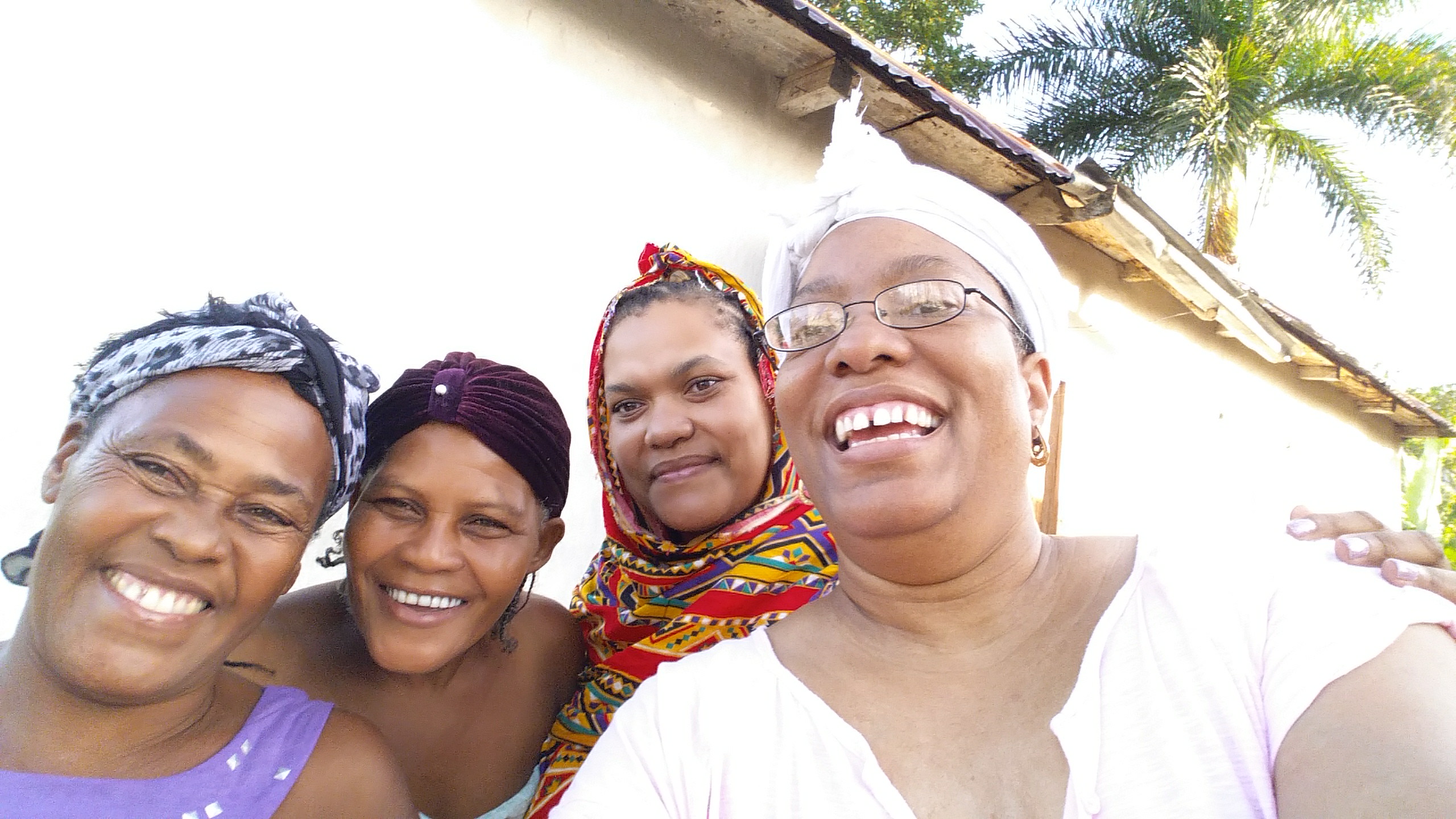
Empowering Communities Through Diversity
Empowering Communities
Holistic Healing